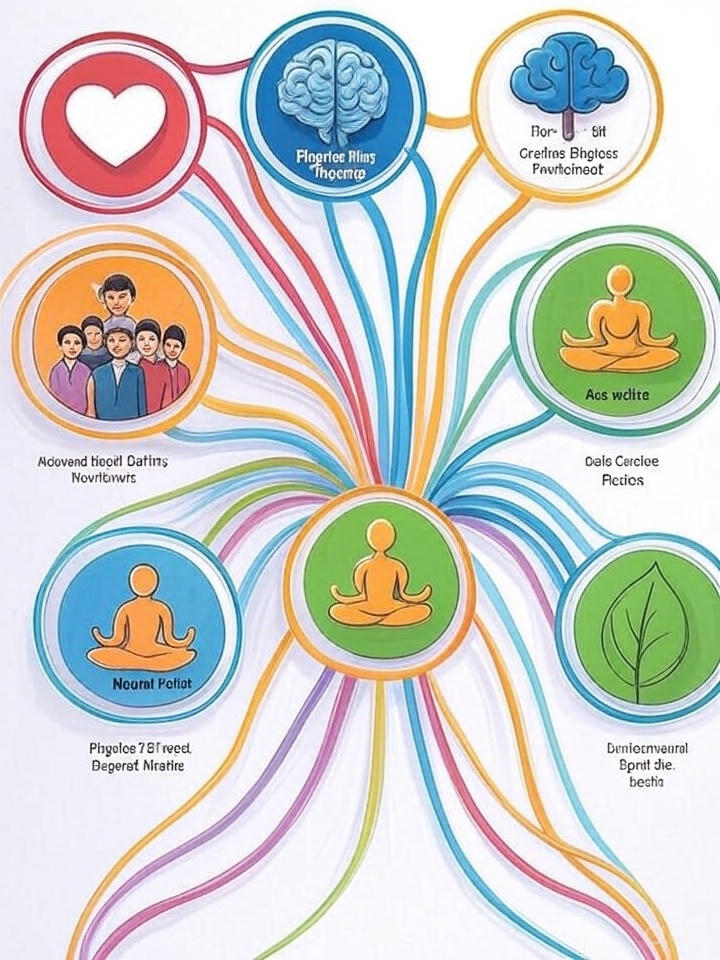
In today’s fast-paced world, understanding the fundamental pillars of health has become more crucial than ever. While wellness trends come and go, certain core components remain constant in their importance for maintaining a healthy, fulfilling life. This comprehensive guide explores the five basic health components that form the foundation of human wellness, providing you with the knowledge needed to build and maintain optimal health throughout your lifetime.
Understanding the Foundation of Health
Health is not merely the absence of disease or illness—it’s a state of complete physical, mental, and social well-being. The World Health Organization has long recognized this holistic definition, and modern health science has identified five fundamental components that work synergistically to create this state of optimal wellness. These components are interconnected, each influencing and supporting the others in complex ways that researchers continue to study and understand.
The five basic health components represent different aspects of human functioning that must all be maintained for true wellness. When one component is neglected, it inevitably affects the others, creating a cascade of health challenges that can impact quality of life. Understanding these components empowers individuals to take a more comprehensive approach to their health, rather than focusing on isolated symptoms or single aspects of wellness.
The Five Basic Health Components

1. Physical Health: The Foundation of Wellness
Physical health encompasses the proper functioning of all body systems and the absence of disease or injury. This component includes cardiovascular health, muscular strength and endurance, flexibility, body composition, and overall physical fitness. According to the Mayo Clinic, physical health is the cornerstone upon which all other aspects of health are built.
Key Elements of Physical Health:
Cardiovascular Fitness: Your heart and circulatory system’s ability to supply oxygen and nutrients to working muscles during sustained physical activity. Regular aerobic exercise, such as walking, swimming, or cycling, strengthens the heart muscle and improves circulation. The American Heart Association recommends at least 150 minutes of moderate-intensity aerobic activity per week for adults.
Muscular Strength and Endurance: The ability of your muscles to exert force and sustain activity over time. Strength training exercises, performed at least twice weekly, help maintain bone density, prevent age-related muscle loss, and improve functional capacity for daily activities.
Flexibility and Mobility: The range of motion available at joints and the ability to move freely without pain or restriction. Regular stretching, yoga, or other flexibility exercises help maintain joint health and prevent injury.
Body Composition: The ratio of fat mass to lean mass in your body. Maintaining a healthy body composition reduces the risk of chronic diseases such as diabetes, heart disease, and certain cancers.
Nutrition: Proper fuel for your body through a balanced diet rich in essential nutrients. The Harvard School of Public Health emphasizes the importance of consuming a variety of whole foods, including fruits, vegetables, whole grains, lean proteins, and healthy fats.
Modern technology has revolutionized how we monitor physical health. Wearable devices, including fitness trackers and smart rings, provide real-time data on various health metrics. For those interested in advanced health monitoring technology, comprehensive analysis of smart ring technology offers valuable insights into how these devices can support your physical health journey.
2. Mental Health: The Mind-Body Connection
Mental health refers to cognitive, behavioral, and emotional well-being. It affects how we think, feel, and act, influencing our ability to handle stress, relate to others, and make decisions. The National Institute of Mental Health recognizes mental health as equally important as physical health, noting that mental health conditions can affect physical health and vice versa.
Core Aspects of Mental Health:
Emotional Regulation: The ability to understand, express, and manage emotions appropriately. This includes developing healthy coping mechanisms for stress, disappointment, and challenging life circumstances.
Cognitive Function: Mental processes including memory, attention, reasoning, and problem-solving abilities. Engaging in mentally stimulating activities, continuous learning, and maintaining social connections help preserve cognitive function throughout life.
Stress Management: The capacity to cope with life’s pressures without becoming overwhelmed. Chronic stress can lead to numerous physical health problems, making stress management a critical component of overall wellness.
Sleep Quality: Adequate, restorative sleep is essential for mental health. The National Sleep Foundation recommends 7-9 hours of quality sleep per night for most adults. Poor sleep quality is linked to depression, anxiety, and cognitive decline.
Purpose and Meaning: Having a sense of purpose and meaning in life contributes significantly to mental well-being. This might come from career fulfillment, relationships, hobbies, or spiritual practices.
Forbes Health regularly publishes research-backed articles on mental health topics, highlighting the growing recognition of mental wellness in overall health strategies. Practices such as mindfulness meditation, therapy, journaling, and maintaining strong social connections all contribute to robust mental health.
3. Social Health: The Power of Connection
Social health involves your ability to form satisfying interpersonal relationships and adapt to social situations. Humans are inherently social beings, and our connections with others significantly impact our overall well-being. Research consistently shows that strong social connections can increase longevity, boost immune function, and improve mental health outcomes.
Components of Social Health:
Relationship Quality: The depth and satisfaction derived from relationships with family, friends, romantic partners, and colleagues. Quality relationships provide emotional support, companionship, and a sense of belonging.
Communication Skills: The ability to express yourself clearly and listen effectively to others. Good communication skills facilitate deeper connections and help resolve conflicts constructively.
Social Support Networks: Having people you can rely on during difficult times and celebrate with during good times. These networks provide practical help, emotional support, and stress buffering.
Community Engagement: Participation in community activities, volunteer work, or group interests that connect you with like-minded individuals and contribute to something larger than yourself.
Cultural Competency: Understanding and respecting different cultural backgrounds, which enhances your ability to form diverse, meaningful relationships.
The importance of social health has been highlighted dramatically during global events such as the COVID-19 pandemic, where social isolation led to increased rates of depression and anxiety. Wikipedia’s extensive documentation on social determinants of health illustrates how social factors influence health outcomes across populations.
4. Spiritual Health: Finding Purpose and Connection
Spiritual health involves finding meaning, purpose, and connection to something greater than oneself. This doesn’t necessarily require religious belief; spiritual health can be cultivated through various practices that foster inner peace, personal values, and life purpose. The Mayo Clinic recognizes spirituality as an important component of overall health and well-being.
Elements of Spiritual Health:
Personal Values and Ethics: Having a clear understanding of what you believe is right and wrong, and living in alignment with these values. This creates inner harmony and reduces internal conflict.
Sense of Purpose: Understanding your role and meaning in life, which provides motivation and direction for decisions and actions.
Connection to Nature: Many people find spiritual fulfillment through connection with the natural world, whether through outdoor activities, gardening, or simply spending time in natural settings.
Mindfulness and Presence: The ability to be fully present in the moment, which can be cultivated through meditation, prayer, or other contemplative practices.
Forgiveness and Compassion: The capacity to forgive yourself and others, and to approach life with compassion and understanding.
Transcendence: Experiencing moments of connection that go beyond everyday concerns, whether through religious practice, art, music, or other meaningful activities.
Research published in reputable sources like the Journal of the American Medical Association has shown that people with strong spiritual health often experience better physical health outcomes, including lower rates of cardiovascular disease and improved immune function.
5. Environmental Health: Your Surroundings Matter
Environmental health encompasses the external factors that affect your well-being, including your physical environment, safety, and access to resources necessary for health. This component recognizes that individual health is deeply connected to the health of our communities and environment.
Key Areas of Environmental Health:
Physical Environment: The quality of air, water, and soil in your surroundings. Exposure to pollutants, toxins, or hazardous materials can significantly impact health outcomes.
Housing Quality: Safe, adequate shelter that protects from the elements and provides a healthy living space. Housing factors such as ventilation, lighting, space, and safety all influence health.
Workplace Safety: A work environment free from hazards that could cause injury or illness, including proper ergonomics, safety protocols, and reasonable work demands.
Community Resources: Access to healthcare facilities, nutritious food options, recreational facilities, and educational opportunities within your community.
Safety and Security: Living and working in environments free from violence, crime, and other safety threats that can cause chronic stress and health problems.
Climate and Weather: Environmental conditions that can affect physical and mental health, including extreme temperatures, natural disasters, and seasonal changes.
The Environmental Protection Agency (EPA) extensively documents how environmental factors influence public health, emphasizing the importance of clean air, safe water, and toxic-free environments for optimal wellness.
The Interconnected Nature of the Five Health Components
Understanding these five components individually is important, but recognizing their interconnected nature is crucial for developing an effective health strategy. Each component influences and supports the others in complex ways:
Physical and Mental Health Connection: Regular physical exercise releases endorphins that improve mood and reduce anxiety and depression. Conversely, mental health conditions can manifest as physical symptoms and impact motivation for healthy behaviors.
Social and Mental Health Synergy: Strong social connections provide emotional support that bolsters mental health, while good mental health enables better relationship formation and maintenance.
Spiritual and Emotional Well-being: Having a sense of purpose and meaning can provide resilience during difficult times and contribute to better emotional regulation and life satisfaction.
Environmental and Physical Health Impact: A clean, safe environment supports better physical health, while environmental stressors can contribute to both physical ailments and mental health challenges.
Social and Environmental Overlap: Community resources and social support networks are environmental factors that significantly impact individual health outcomes.
Practical Strategies for Improving Each Health Component
Enhancing Physical Health
Start with small, sustainable changes rather than dramatic overhauls. Incorporate 30 minutes of moderate physical activity into your daily routine, even if broken into smaller segments. Focus on nutrition by adding more whole foods to your diet rather than restricting specific foods. Prioritize sleep by establishing a consistent bedtime routine and creating a sleep-conducive environment.
Regular health screenings and preventive care are essential for maintaining physical health. This includes annual check-ups, age-appropriate screenings for conditions like cancer and heart disease, and staying up-to-date with vaccinations.
Supporting Mental Health
Develop a toolkit of stress management techniques such as deep breathing, meditation, or progressive muscle relaxation. Practice gratitude by regularly acknowledging positive aspects of your life. Consider therapy or counseling if you’re struggling with mental health challenges—seeking help is a sign of strength, not weakness.
Limit exposure to negative media and social media if it affects your mental well-being. Instead, engage in activities that bring joy and fulfillment, whether that’s reading, creating art, listening to music, or spending time in nature.
Building Social Health
Invest time and energy in nurturing existing relationships while remaining open to forming new connections. Practice active listening and empathy in your interactions with others. Join groups or organizations aligned with your interests or values to meet like-minded individuals.
Volunteer for causes you care about, which provides opportunities for social connection while contributing to something meaningful. Don’t hesitate to reach out for help when needed, and be willing to offer support to others in your network.
Cultivating Spiritual Health
Spend time in quiet reflection or meditation to connect with your inner self and clarify your values and beliefs. Engage in activities that bring a sense of meaning and purpose to your life, whether through career, relationships, creative pursuits, or service to others.
Connect with nature regularly, as many people find spiritual renewal in natural settings. Consider exploring different spiritual or philosophical traditions to find practices and beliefs that resonate with you.
Improving Environmental Health
Take steps to improve your immediate environment by ensuring good air quality in your home, using natural cleaning products when possible, and creating spaces that promote relaxation and well-being. Stay informed about environmental health issues in your community and advocate for improvements when necessary.
Make choices that support both personal and planetary health, such as choosing sustainable products, reducing waste, and supporting businesses that prioritize environmental responsibility.
Modern Technology and Health Monitoring
The digital age has brought unprecedented opportunities for health monitoring and improvement. Wearable technology, smartphone apps, and other digital health tools can provide valuable insights into various aspects of your health. However, it’s important to use these tools as supplements to, not replacements for, professional healthcare and personal awareness.
When considering health technology, research thoroughly to ensure devices meet your specific needs and provide accurate, actionable information. Remember that technology should enhance your health journey, not create additional stress or obsession with metrics.
Creating Your Personal Health Plan
Developing a comprehensive approach to the five health components requires honest self-assessment and realistic goal-setting. Begin by evaluating your current status in each area, identifying strengths to build upon and areas needing improvement.
Set specific, measurable, achievable, relevant, and time-bound (SMART) goals for each health component. Start with small changes that you can sustain long-term rather than attempting dramatic lifestyle overhauls that are difficult to maintain.
Create accountability systems, whether through tracking apps, workout partners, support groups, or regular check-ins with healthcare providers. Remember that health improvement is a lifelong journey, not a destination.
Conclusion
The five basic health components—physical, mental, social, spiritual, and environmental health—form an interconnected foundation for optimal wellness. By understanding and nurturing each component while recognizing their relationships to one another, you can develop a comprehensive approach to health that supports not just longevity, but quality of life.
Remember that perfect health is not the goal; rather, aim for balance and continuous improvement. Small, consistent actions across all five health components will yield more significant and sustainable results than dramatic changes in one area alone.
As you embark on or continue your health journey, be patient with yourself and celebrate progress in all its forms. Health is not a competition or a destination—it’s an ongoing relationship with yourself and your environment that deserves attention, care, and respect.
The investment you make in your health today will pay dividends throughout your life, affecting not only your own well-being but also your ability to contribute positively to the lives of others and your community. By taking a holistic approach to these five fundamental health components, you’re building a foundation for a life of vitality, purpose, and fulfillment.