
Exploring the psychology behind risk-taking behaviors in gambling and casinos.
The Allure of Uncertainty
The world of gambling thrives on uncertainty. This unpredictability draws many people to casinos, as the prospect of winning against the odds can be exhilarating. The psychological thrill that comes from facing an uncertain outcome often leads individuals to take risks they normally wouldn’t consider. In many cases, this allure is rooted in brain chemistry; when people gamble, their brains release dopamine, a neurotransmitter associated with pleasure and reward. This chemical response can create a rush that makes the gamble feel even more compelling.
The gaming environment also plays a significant role in amplifying these feelings. Bright lights, loud sounds, and vibrant colors can heighten the emotional stakes of gambling, making each bet feel monumental. Additionally, the ambiance of casinos encourages a social atmosphere, where people share in both the highs and lows of winning and losing. This communal experience can further intensify the drive to engage in risk-taking behaviors.

Moreover, this sense of uncertainty often leads to thrill-seeking individuals gravitating towards high-stakes games. The excitement that comes from not knowing whether a bet will pay off fuels the adrenaline rush, which can be addictive in itself. Over time, the anticipation of this rush can create a cycle that encourages individuals to return continually, seeking that same exhilarating feeling.
The Role of Cognitive Biases
Cognitive biases are systematic patterns of deviation from norm or rationality in judgment. In the context of gambling, several biases can influence individuals to take unexpectedly high risks. The illusion of control is one such bias; gamblers often believe that they can influence or control the outcomes of games of chance. This belief can catalyze more frequent betting, as individuals mistakenly think they have a better chance of winning than they actually do.
Another cognitive bias is the gambler’s fallacy, where individuals assume that past events will influence future outcomes. For example, if a player sees that a specific number hasn’t come up in a long time, they might believe it’s “due” to appear soon, leading them to wager more aggressively. These biases not only distort reality but can also lead to significant financial loss in the long run.
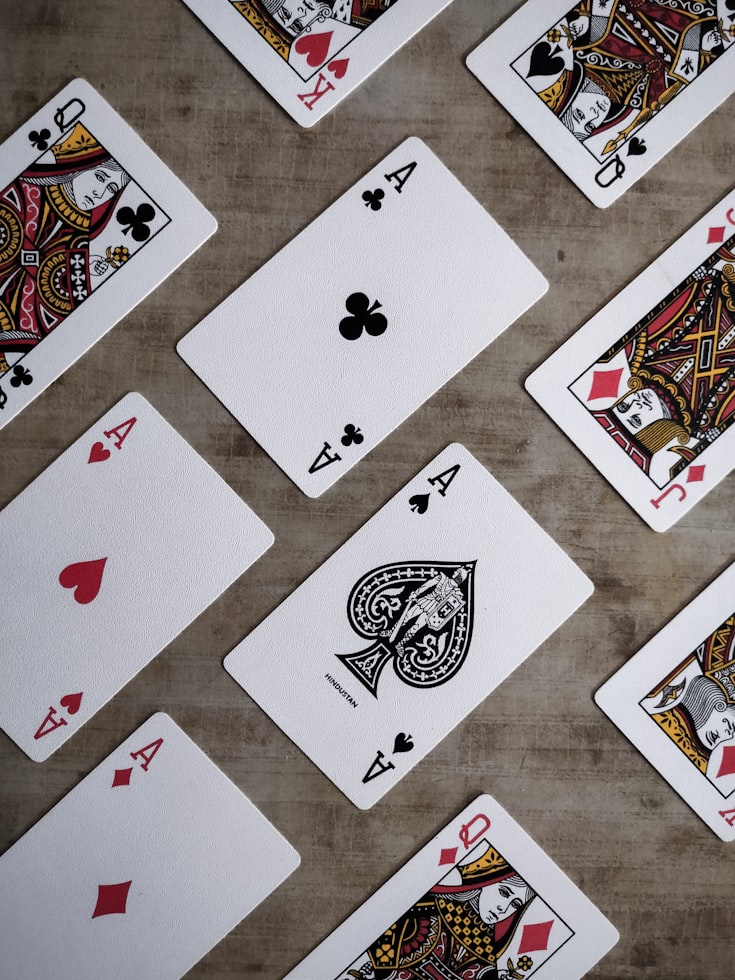
Furthermore, the framing of outcomes can also affect decision-making. If a gambler frames their potential winnings in terms of gains rather than losses, they may be more inclined to take risks. This misperception can skew their judgment, resulting in choices that aren’t aligned with their financial objectives. Awareness of these cognitive biases is crucial for developing more rational gambling behaviors.
Emotional Factors at Play
Emotions play a critical role in decision-making processes, particularly in high-stakes environments like casinos. Many gamblers are driven by emotions such as excitement, fear, and even desperation. The highs of winning can create a sense of invincibility, encouraging players to take on greater risks. Conversely, the lows of losing can lead to risky behaviors in an attempt to reclaim lost funds.
Moreover, gambling can serve as an emotional escape for some individuals. People may gamble to relieve stress, anxiety, or boredom, further complicating their relationship with risk-taking. Unfortunately, this can lead to a cycle of loss and addiction, as people often escalate their bets in an attempt to recover from their emotional setbacks.
This emotional rollercoaster can cloud judgment, leading individuals to make impulsive decisions while gambling. The thrill associated with potential wins can overshadow the logical considerations of loss, making it essential for players to develop coping mechanisms for their emotions. Understanding how emotions influence decisions can help individuals maintain better control over their gambling habits.
Social Influences and Peer Behavior
Social factors significantly impact risk-taking in gambling. Peer behavior can shape individual choices, as seeing friends or peers win can encourage others to take similar risks. Group dynamics can heighten the excitement of certain games, leading individuals to give in to peer pressure. Sharing wins and losses with friends often creates a sense of camaraderie, fueling the desire to gamble even more.
Furthermore, the social aspect of gambling can be both a positive and a negative influence. While some find enjoyment and a sense of community in gambling with others, it can also lead to addictive behaviors when peers promote excessive risk-taking. This duality makes understanding social influences crucial for recognizing the broader implications of gambling behaviors.
The social validation that comes from group participation can amplify the urge to gamble, sometimes leading individuals down a path of increased risk. Social circles can either reinforce healthier gambling habits or contribute to more reckless behavior, hence emphasizing the importance of surrounding oneself with responsible peers.
Improving Awareness and Understanding Risks
Understanding the psychology behind risk-taking behaviors can empower individuals to make more informed decisions when gambling. Awareness of cognitive biases, emotional influences, and social pressures can lead to healthier gambling habits. One approach is self-awareness; by understanding personal triggers and motivations, individuals can set boundaries that prevent excessive risk-taking.
Additionally, educational initiatives can play a significant role in fostering a responsible gambling culture. Informative resources can help players recognize signs of problem gambling and learn strategies to mitigate risks. Websites like bet on red can offer insightful content to aid individuals in understanding their behaviors and enhancing their overall gambling experience.
By promoting awareness and education, we can equip individuals with the tools they need to navigate the complexities of gambling. Creating an environment that encourages responsible gambling can lead to a healthier perspective and enhance the enjoyment of games of chance.